How to Discourage Starlings and Grackles at Your Bird Feeders
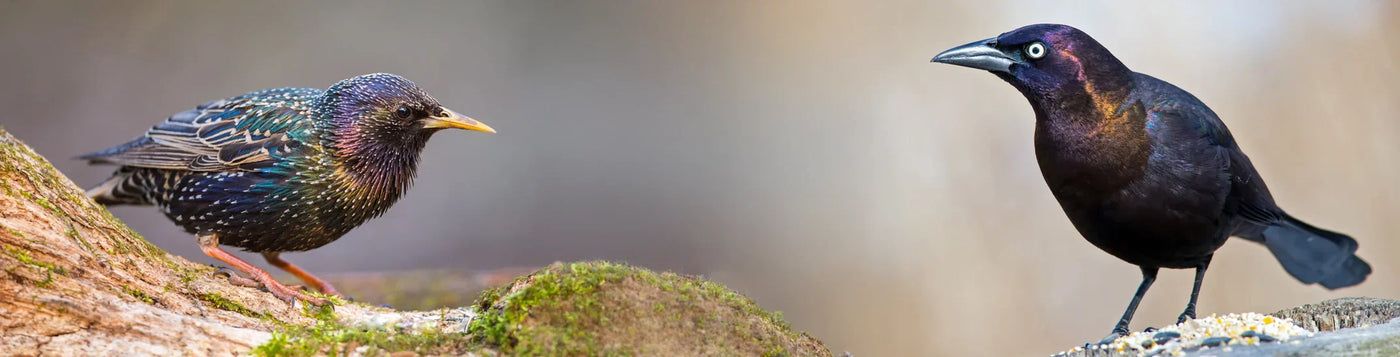
If you've ever watched a flock of starlings or grackles take over your feeder, you know how quickly things can get out of hand. One minute you're enjoying chickadees and finches — the next, larger birds have moved in, eating everything in sight and chasing away the smaller songbirds you're trying to attract.
It's one of the most common challenges backyard birders face. At Duncraft, we've been helping customers manage this exact problem since 1952. The good news: with a few simple adjustments, you can discourage starlings and grackles without driving away the birds you love.
Why Are Starlings and Grackles a Problem?
Starlings and grackles are highly adaptable, aggressive feeders. When they discover a reliable food source, they arrive in groups and dominate it. This can lead to:
- Feeders emptied rapidly, increasing your seed costs
- Smaller songbirds being pushed out of feeding stations
- Increased mess and competition in your backyard
What Attracts Starlings and Grackles?
Understanding what draws them in is the first step to keeping them away. They're especially attracted to:
- Suet feeders with easy, upright access
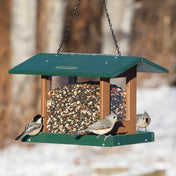
- Large perches or open tray feeders
- Mixed seed blends containing filler grains
- Open feeding areas with little physical restriction
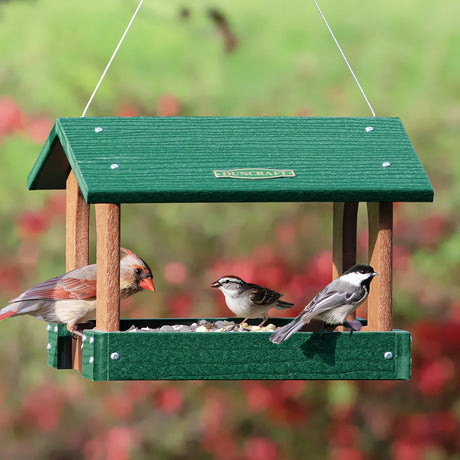
The key is to make your feeders less comfortable for larger birds — while keeping them fully accessible to smaller species.
5 Smart Ways to Discourage Starlings and Grackles
1. Use Upside-Down Suet Feeders
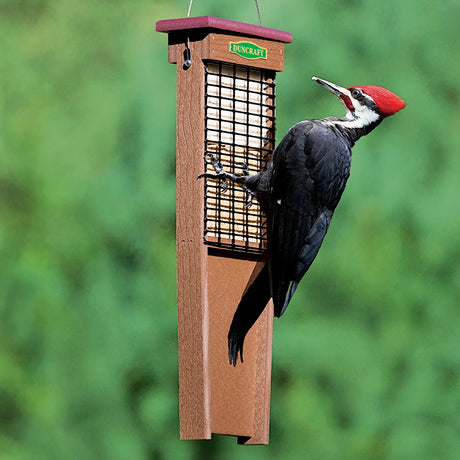
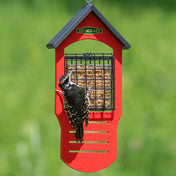
Starlings love suet, but they prefer to feed from a stable, upright position. Upside-down feeders — like the Duncraft Eco-Strong Upside Down Suet Feeder and the Touch-Free Suet Feeder — require birds to cling and feed from below. Woodpeckers, chickadees, and nuthatches handle this easily; starlings typically can't — or won't — adapt. It's a simple change that can make a big difference.
2. Choose Feeders Designed for Smaller Birds
Some feeders are specifically engineered to limit access for larger birds:
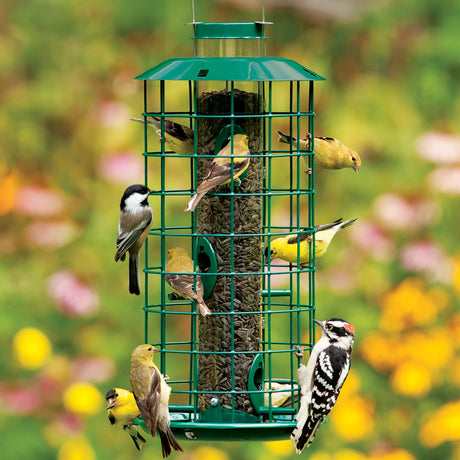
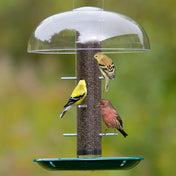
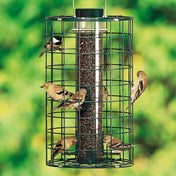
- Cling-A-Wing clinging feeders naturally favor smaller birds
- Squirrel Buster Plus weight-sensitive feeders can be adjusted to close under heavier birds
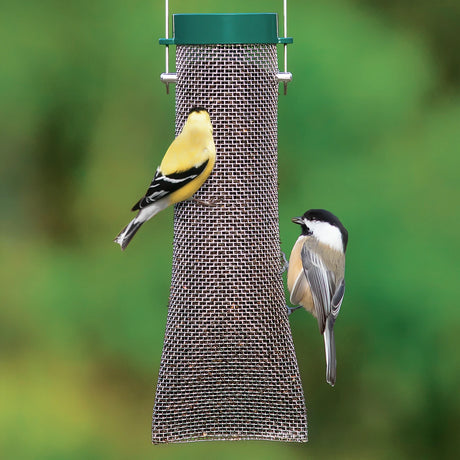
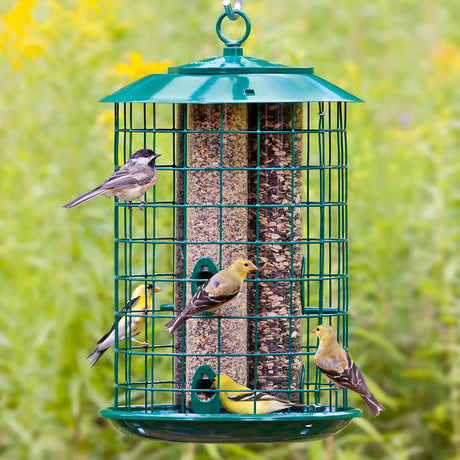
These designs let finches, chickadees, and titmice feed comfortably while excluding larger birds without harm.
3. Offer Foods Starlings Don't Prefer
To make your feeder less appealing to starlings and grackles:
- Focus on high-quality sunflower seed — especially black oil or shelled varieties
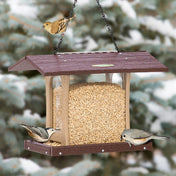
- Avoid cheap mixes with filler grains that attract a wider range of birds
- Consider no-waste blends, which reduce ground-feeding opportunities
By offering foods that smaller birds love but larger birds are less excited about, you shift the balance at your feeder.
4. Protect Nesting Areas
Starlings don't just compete for food — they also compete for nesting sites. To protect your backyard birds:
- Choose birdhouses with appropriately sized entry holes
- Use predator guards and protective accessories like the Screw Mount Birdhouse Guardian
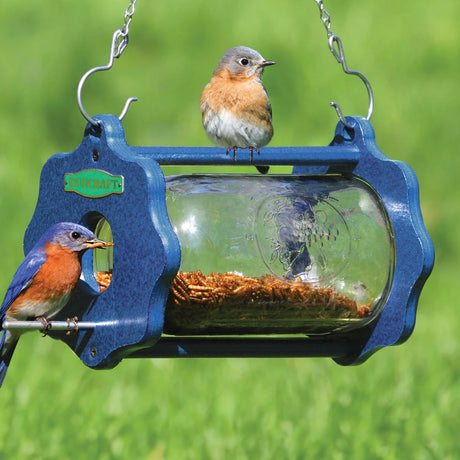
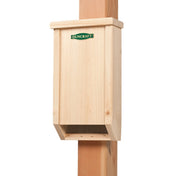
Products like the Duncraft Eco-Songbird Roosting Box and Eco Chalet House are designed to welcome bluebirds, chickadees, wrens, and nuthatches — while discouraging starlings and other larger intruders.
5. Take a Short Break If Needed
If starlings and grackles have fully taken over, sometimes the best move is to reset:
- Remove feeders for 1–2 weeks
- Allow the flock to move on to another food source
- Reintroduce feeders using the strategies above
Your regular backyard birds are much more likely to return once the pressure is gone.
Quick Checklist: How to Keep Starlings and Grackles Away
- ☐ Switch to upside-down suet feeders
- ☐ Use weight-sensitive or clinging feeders
- ☐ Offer higher-quality, targeted seed blends
- ☐ Avoid wide, open feeding platforms
- ☐ Protect birdhouses with guards and proper hole sizing
- ☐ Take a short feeding break if a flock has moved in
Even one or two of these changes can noticeably improve your setup.
Bringing Balance Back to Your Feeders
Starlings and grackles are part of the natural landscape — but they don't have to take over your yard. With the right feeders, foods, and setup, you can create a feeding station that favors the birds you want to see.
At Duncraft, we've spent over 70 years designing products that help backyard birders solve challenges just like this — while making bird feeding more enjoyable along the way.
For more tips, check out our article on Keep Your Feathered Friends Safe: Bird Feeding Hygiene Made Simple.
Have questions? Call us at 1-888-879-5095 (Mon–Fri, 9:00 AM–5:00 PM ET) or email info@duncraft.com. We're happy to help you find the right solution for your backyard.
Happy Birding!
— The Duncraft Team, Birding Together Since 1952
Frequently Asked Questions
Why do starlings and grackles keep coming back to my feeders?
Starlings and grackles are opportunistic feeders. Once they find a reliable food source, they return consistently — often in flocks. The most effective way to break the cycle is to change the feeder type, food offered, or both, making the station less accessible and appealing to larger birds.
What is the best feeder to keep starlings away?
Upside-down suet feeders are among the most effective tools against starlings. Because starlings prefer to feed upright, feeders like the Duncraft Eco-Strong Upside Down Suet Feeder force birds to cling from below — a position starlings typically avoid. Weight-sensitive feeders are also highly effective.
Will removing my feeders temporarily hurt my backyard birds?
A short break of 1–2 weeks is generally safe for healthy backyard birds, especially during warmer months when natural food sources are available. Your regular visitors — chickadees, finches, nuthatches — will return once you reintroduce feeders with the right setup in place.
What seed should I use to discourage starlings and grackles?
Focus on black oil sunflower seed, shelled sunflower, or no-waste blends. Starlings and grackles are less attracted to these than to cheap mixed seed with filler grains like milo or millet. Safflower seed is another excellent option — most starlings and grackles avoid it, while cardinals and chickadees love it.
Can I use a birdhouse to help protect nesting birds from starlings?
Yes. Choosing birdhouses with entry holes sized for your target species (e.g., 1½" for bluebirds, 1⅛" for chickadees) is one of the most effective ways to exclude starlings, which require a larger opening. Adding a birdhouse guardian or predator baffle provides additional protection.
Does Duncraft offer products specifically designed to deter starlings and grackles?
Yes. Duncraft carries a range of feeders, suet holders, and birdhouses engineered to favor smaller songbirds. Our team has been helping backyard birders solve this exact challenge since 1952. Browse our full selection at Duncraft.com or call us at 1-888-879-5095.