Up To 20% OFF Duncraft Brand Shop Now

Purple Martin Houses

(3 products)

Create a thriving purple martin community with our spacious and expertly designed bird houses built for their unique nesting needs.

View as

Create a thriving bird colony with Duncraft’s Purple Martin houses, expertly designed to meet the nesting needs of these highly social, insect-eating birds. With features like multiple compartments, proper ventilation, and predator protection, our houses provide safe, spacious shelter for entire martin families.

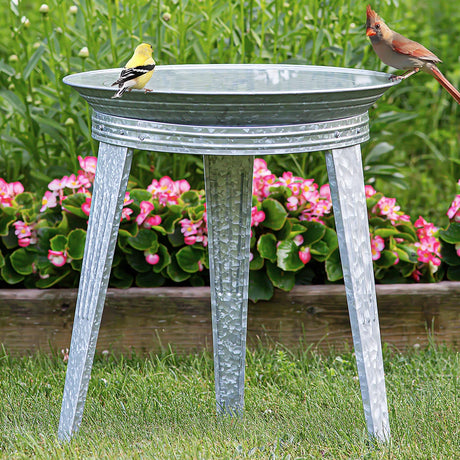
For best results, mount your house on one of our bird house poles in an open area and consider pairing with a nearby bird bath or platform feeder to encourage long-term visits.

Bring Purple Martins to your yard with durable, proven house designs—only at Duncraft.

Bird Feeder Buying Guide & FAQs

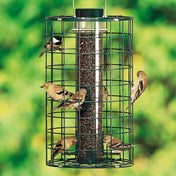
The best bird feeder depends on the birds you want to attract and how you plan to mount it. Tube feeders are great for finches and chickadees, platform feeders attract a wide variety of birds, and hopper feeders hold more seed for busy feeding areas. If squirrels are a concern, squirrel-resistant or caged feeders help protect your seed.

Platform and hopper feeders tend to attract the widest variety of birds because they accommodate different feeding styles and seed types. Offering sunflower seed or mixed blends and placing feeders near cover will also increase bird activity.

Squirrel-proof bird feeders are designed to close access to seed when a squirrel’s weight is detected or to block squirrels with protective cages. They help reduce wasted seed and keep food available for birds, making them a smart investment for many backyards.

Cardinals prefer feeders with wide perches or open trays that accommodate their size. Platform feeders, tray feeders, and large hopper feeders work especially well when paired with sunflower seed or safflower seed.

Finches are best attracted to tube or mesh feeders designed for Nyjer® (thistle) seed. These feeders feature small ports or mesh surfaces that finches can cling to while feeding.

Hang bird feeders 5–10 feet off the ground and near natural cover like trees or shrubs so birds can easily escape predators. Keep feeders far enough from branches or structures to limit squirrel access. Follow the 5-7-9 rule for keeping squirrels off your bird feeders.

Metal bird feeders are typically more durable and resistant to chewing by squirrels, while plastic feeders are lightweight and allow you to see seed levels easily. Many birders choose metal feeders for longevity and all-weather use.

Bird feeders should be cleaned every 1–2 weeks, or more often during wet weather. Regular cleaning helps prevent mold and disease, keeping birds healthy and your feeding area safe.

Beginners often start with tube, hopper, or platform feeders because they attract many bird species and are easy to maintain. Choosing a feeder that’s simple to clean and refill will make bird feeding more enjoyable.