 DUNCRAFT EXCLUSIVE
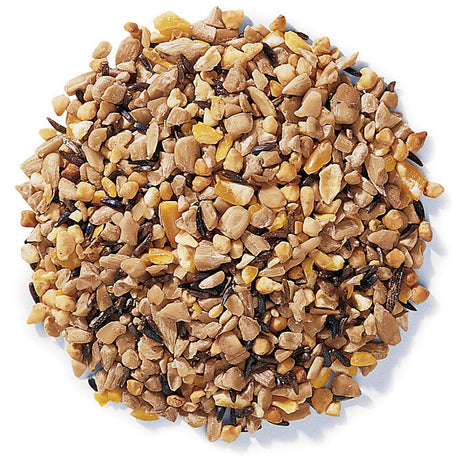
Duncraft Super No-Waste Blend Wild Bird Seed, 5-lb bag
Regular price $21.95Unit price /Unavailable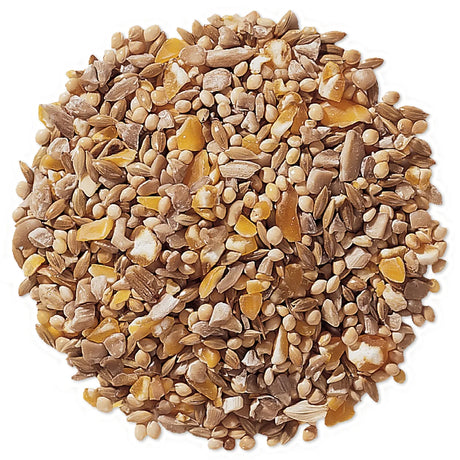 DUNCRAFT EXCLUSIVE
Duncraft Four Seasons No-Waste Wild Bird Seed, 5-lb bag
Regular price $18.95Unit price /Unavailable DUNCRAFT EXCLUSIVE
 DUNCRAFT EXCLUSIVE
 DUNCRAFT EXCLUSIVE
 DUNCRAFT EXCLUSIVE
 DUNCRAFT EXCLUSIVE
-
 Send A Gift Card
Give the Gift of Birds
The perfect gift for any bird lover—delivered instantly by email.
 DUNCRAFT EXCLUSIVE
Cole's Nutberry Suet Blend Wild Bird Seed, 5-lb bag
Regular price $26.95Unit price /Unavailable
Wild Delight Zero Waste Fruit Blend Wild Bird Seed, 20-lb bag
Regular price $109.95Unit price /Unavailable DUNCRAFT EXCLUSIVE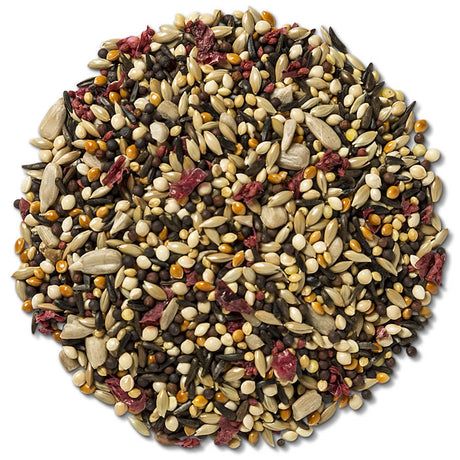
Brown's Fancy Finch with Cranberries Wild Bird Seed, 5-lb bag
Regular price $21.95Unit price /Unavailable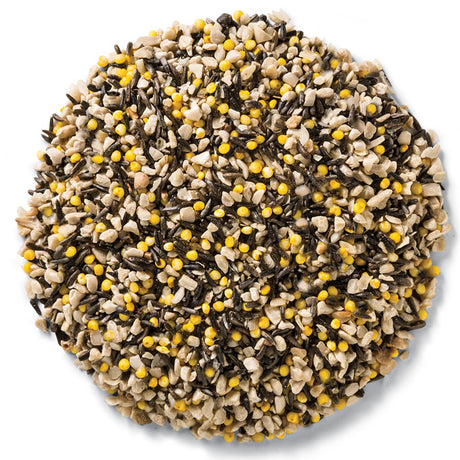
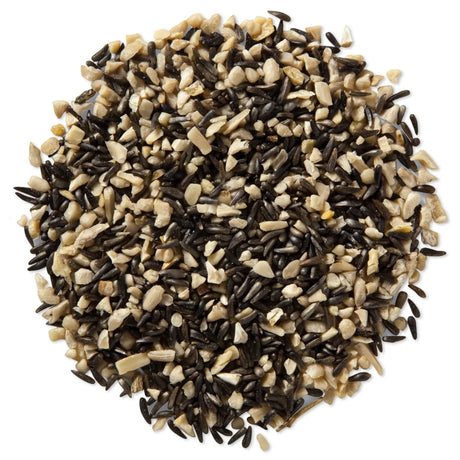
Wild Delight Special Finch Wild Bird Seed, 5-lb bag
Regular price $27.95Unit price /Unavailable
Cole's White Millet Wild Bird Seed, 10-lb bag
Regular price $26.95Unit price /Unavailable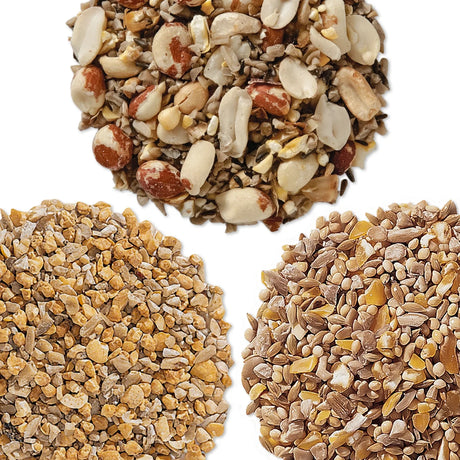 DUNCRAFT EXCLUSIVE
Duncraft Garden Friendly Wild Bird Seed Sampler, Set of 3
Regular price $64.85Unit price /Unavailable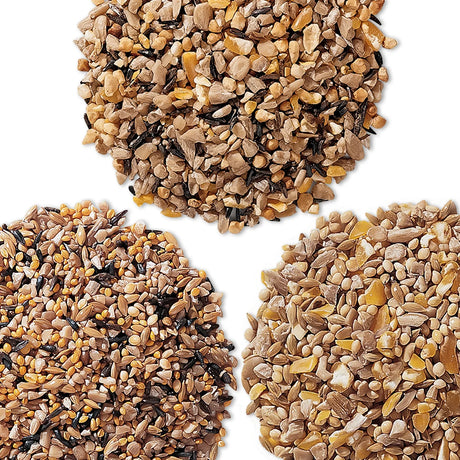 DUNCRAFT EXCLUSIVE
Duncraft Gardener's No-Waste Wild Bird Seed Sampler, Set of 3
Regular price $59.85Unit price /Unavailable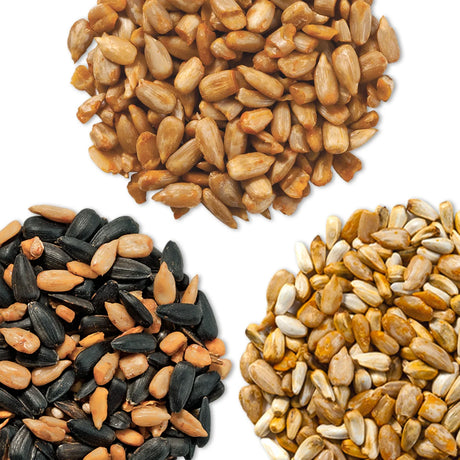
Cole's Hot Wild Bird Seed Sampler, Set of 3
Regular price $76.85Unit price /Unavailable DUNCRAFT EXCLUSIVE
 DUNCRAFT EXCLUSIVE
Wild Delight Buffet Wild Bird Seed, 10-lb bag
Regular price $32.95Unit price /Unavailable DUNCRAFT EXCLUSIVE
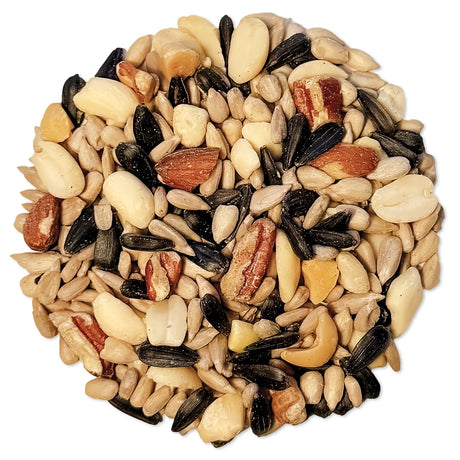
Duncraft Shell Free No-Millet Blend Wild Bird Seed, 5 or 20-lb bag
Regular price From $22.95Unit price /Unavailable DUNCRAFT EXCLUSIVE
 DUNCRAFT EXCLUSIVE
 DUNCRAFT EXCLUSIVE
Duncraft Fruit Berry Nut Blend Wild Bird Seed, 5 or 20-lb bag
Regular price From $21.95Unit price /Unavailable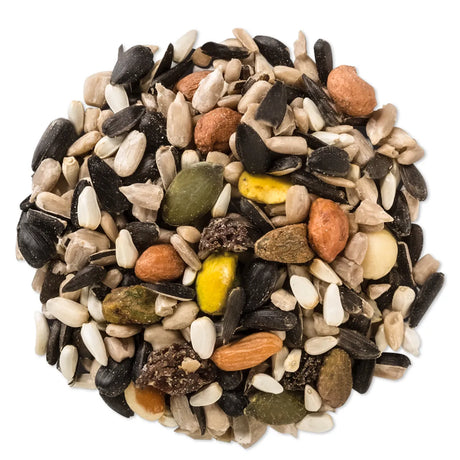
 DUNCRAFT EXCLUSIVE
 DUNCRAFT EXCLUSIVE
Duncraft Shell Free Blend Wild Bird Seed, 5 or 20-lb bag
Regular price From $22.95Unit price /Unavailable DUNCRAFT EXCLUSIVE
 DUNCRAFT EXCLUSIVE
Duncraft Peanut Bits & Sunflower Hearts Wild Bird Seed, 5-lb bag
Regular price $26.95Unit price /Unavailable-
Wild Delight Zero-Waste Fruit Blend Wild Bird Seed, 5-lb bag
Regular price $29.95Unit price /Unavailable 
Wild Delight Bugs N' Berries Wild Bird Seed, 4.5-lb bag
Regular price $24.95Unit price /Unavailable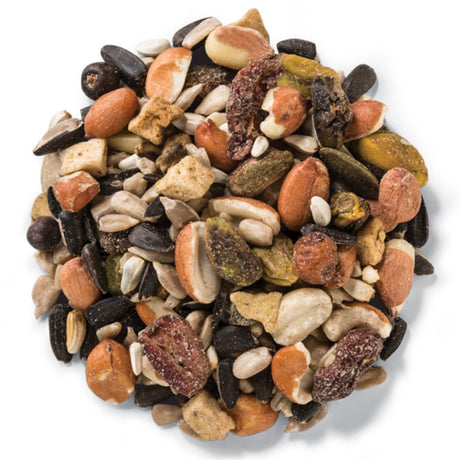
Wild Delight Woodpecker & Nuthatch N' Chickadee Wild Bird Seed, 5-lb bag
Regular price $26.95Unit price /Unavailable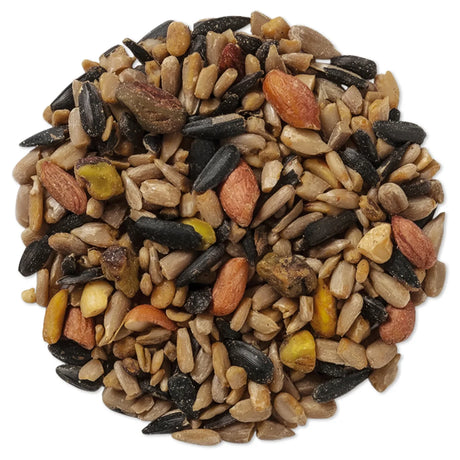
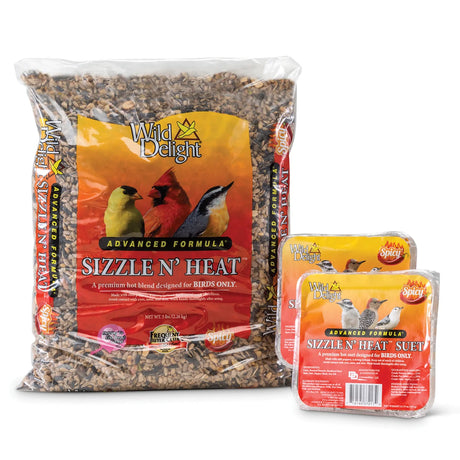
Wild Delight Sizzle N' Heat Wild Bird Seed, 5-lb bag & Suet Cakes
Regular price $36.95Unit price /Unavailable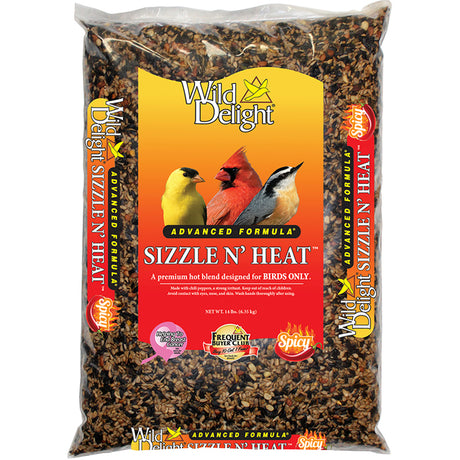
 DUNCRAFT EXCLUSIVE
Wild Delight Nut N' Berry Wild Bird Seed, 20-lb bag
Regular price $89.95Unit price /Unavailable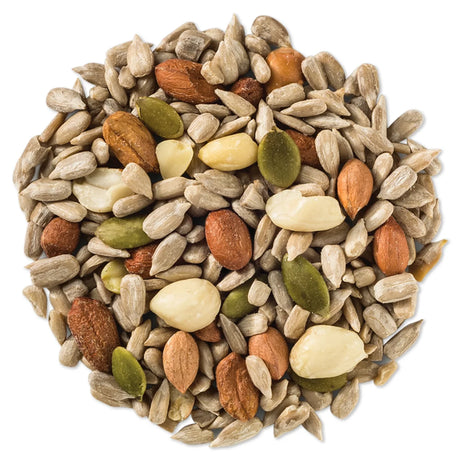
Wild Delight Deck, Porch N' Patio Wild Bird Seed, 5-lb bag
Regular price $29.95Unit price /Unavailable
Wild Delight Deck, Porch N' Patio Wild Bird Seed, 20-lb bag
Regular price $109.95Unit price /Unavailable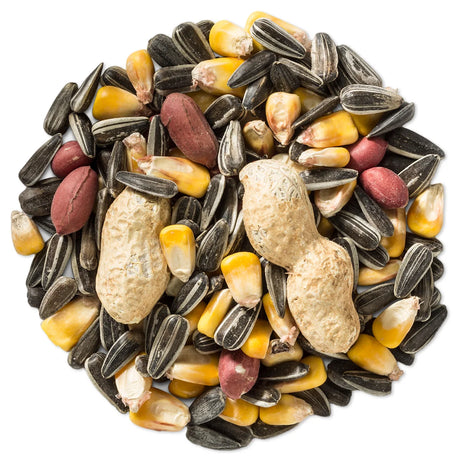
Cole's Critter Munchies Wildlife Food, 5-lb bag
Regular price $12.95Unit price /Unavailable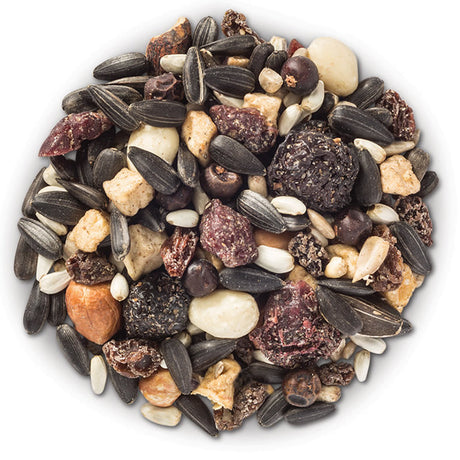
Wild Delight Fruit N' Berry Wild Bird Seed, 5-lb bag
Regular price $22.95Unit price /Unavailable
Lizzie Mae Spicy Chips Wild Bird Seed, 20-lb bag
Regular price $99.95Unit price /Unavailable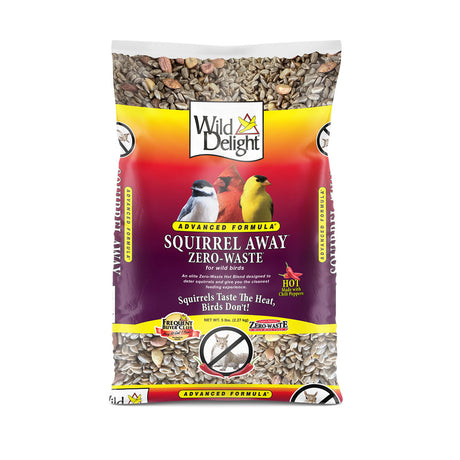

Wild Delight Dove & Quail Food Wild Bird Seed, 10-lb bag
Regular price $26.95Unit price /Unavailable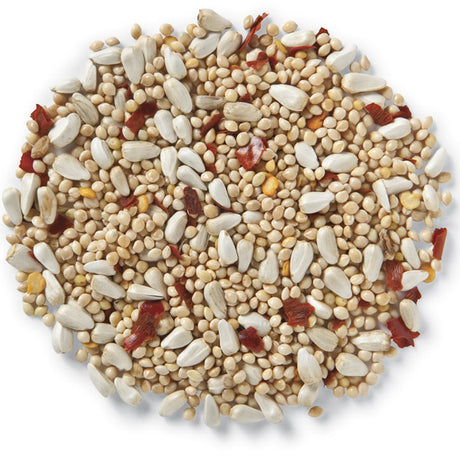
Brown's No Squirrels...Just Birds Wild Bird Seed, 5-lb bag
Regular price $19.95Unit price /Unavailable