
Orioles are one of the most exciting birds to spot in the backyard. Their bright colors, energetic personalities, and love of sweet treats make them a favorite among birders every spring and summer. But unlike many feeder birds, orioles have very specific feeding habits—and attracting them takes a slightly different approach.
At Duncraft, we've been helping backyard birders attract colorful visitors since 1952. Whether you're hoping to see your very first Baltimore Oriole or looking to improve your setup for returning birds, a few simple adjustments can make your yard much more appealing to these seasonal visitors.

Why Orioles Are Different from Other Backyard Birds
If you've spent time feeding chickadees, finches, or cardinals, you may notice that orioles don't spend much time at traditional seed feeders. That's because orioles prefer:
- Fruit
- Nectar
- Jelly
- Insects
They're especially drawn to sugary, high-energy foods during migration and nesting season. Orioles are also more likely to feed in trees and open areas rather than clinging to small tube feeders. Because of this, attracting orioles often means creating a feeding station specifically designed for them.
When Should You Put Out Oriole Feeders?
Timing matters when it comes to orioles. In many areas, Baltimore Orioles begin arriving in spring during migration, often between April and May depending on your location. Orchard Orioles may arrive slightly later. A good rule of thumb:
- Southern regions: Put feeders out in early spring
- Northern regions: Have feeders ready by mid-to-late April
Getting feeders out early is important because orioles are actively searching for reliable food sources when they arrive. Once they find a dependable yard, they're likely to return regularly throughout the season.

The Best Foods for Orioles
1. Oranges
Fresh orange halves are one of the easiest and most effective ways to attract orioles. The bright color catches their attention, and the sweet fruit provides quick energy. Simply cut oranges in half and place them on an oriole feeder or spike.
- Replace oranges regularly in warm weather
- Keep fruit shaded when possible
- Remove spoiled fruit promptly
2. Grape Jelly
Ask experienced birders what works best for orioles, and many will say grape jelly. Orioles are strongly attracted to it, especially during migration season when they need fast energy.
- Offer small amounts at a time
- Refill frequently with fresh jelly
- Use smooth grape jelly without artificial sweeteners when possible
Too much jelly can spoil quickly in warm temperatures, so regular cleaning is important.
3. Oriole Nectar
Orioles also enjoy nectar similar to what's offered to hummingbirds, though they prefer feeders with larger perches and ports.
Simple homemade nectar recipe:
- 1 part sugar
- 4 parts water
Avoid: Red dyes, artificial coloring, honey substitutes.
Fresh nectar should be replaced every few days, especially during hot weather.
4. Mealworms and Insects
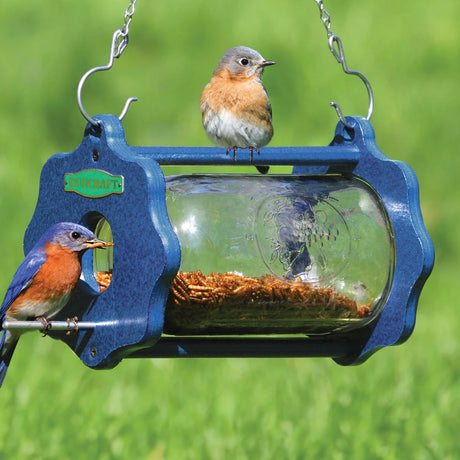
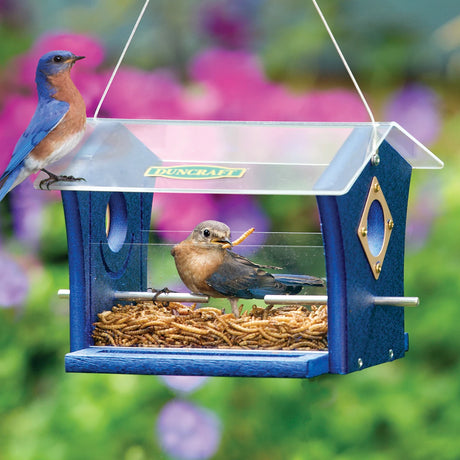
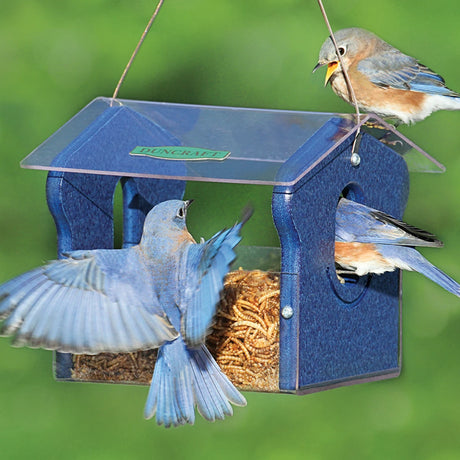
During nesting season, orioles need protein to help feed their young. Offering mealworms and waxworms can help attract orioles, bluebirds, and other insect-loving birds. While fruit and jelly grab their attention first, insects can help encourage repeat visits throughout the season.
5. Suet Cakes and Suet Nuggets
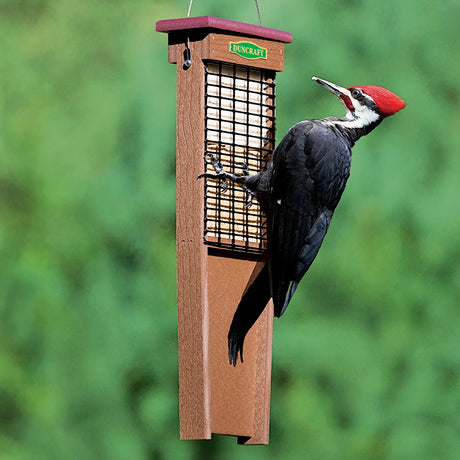
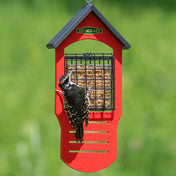
While many people associate orioles with oranges and jelly, they'll also take advantage of high-energy foods like suet—especially during cooler weather, migration, and nesting season. Look for suet blends with fruit or insect ingredients that appeal to orioles specifically.
Choosing the Right Oriole Feeder
The best feeder depends on what foods you plan to offer.
- Jelly Feeders: Designed with small cups for jelly and often include perches sized for orioles.
- Fruit Feeders: Feature spikes or dishes for orange halves and other fruit.
- Nectar Feeders: Built with larger feeding ports and perches suited to orioles rather than hummingbirds.
- Combination Feeders: Allow you to offer jelly, nectar, and fruit all in one place.
Many birders find that offering multiple food types at once increases activity and helps orioles discover the feeding station more quickly.
Where to Hang Oriole Feeders
Placement can make a big difference in how quickly orioles find your setup. Orioles tend to prefer:
- Open yards with nearby trees
- Feeding areas near the edges of wooded spaces
- Quiet locations with moderate activity
- Feeders hung at eye level or slightly higher
A few placement tips:
- Avoid deep shade where feeders are harder to spot
- Provide nearby perching areas
- Keep feeders visible during migration season
Orioles are often cautious at first, but once comfortable, they can become regular visitors.
Common Mistakes When Attracting Orioles
- Putting feeders out too late: By the time orioles are already established elsewhere, they may not search for new feeding areas.
- Letting food spoil: Fruit, nectar, and jelly spoil much faster than seed, especially in warm weather.
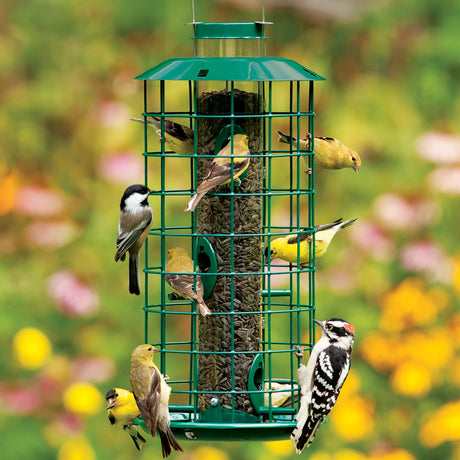
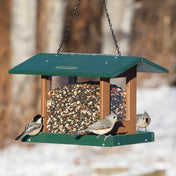
- Using only seed feeders: Orioles rarely visit traditional seed setups unless other food sources are available.
- Too much direct sunlight: Heat can spoil jelly and nectar quickly.
- Forgetting water sources: Orioles appreciate shallow birdbaths and moving water, especially during summer.
How to Keep Orioles Coming Back
Once orioles discover your yard, consistency is key. To encourage repeat visits:
- Keep food fresh
- Refill feeders regularly
- Clean feeders often
- Maintain nearby shelter and trees
- Offer water throughout the season
Some orioles may return to the same yard year after year if they consistently find reliable food and habitat.
Quick Checklist for Attracting Orioles
- ☐ Put feeders out early in spring
- ☐ Offer oranges and grape jelly
- ☐ Provide fresh nectar without dyes
- ☐ Use feeders designed for orioles
- ☐ Hang feeders near trees or open yard edges
- ☐ Keep food clean and fresh
- ☐ Add a water source nearby
Even a few small changes can make your yard much more attractive to these colorful visitors.
Bringing More Color to Your Backyard
Orioles may require a different feeding strategy than many backyard birds, but the reward is worth the effort. Their bright colors and energetic behavior bring a unique excitement to the backyard each spring and summer.
At Duncraft, we've spent decades helping birders attract a wider variety of birds with thoughtfully designed feeders, quality foods, and practical birding advice. With the right setup, your yard can become a regular stop for orioles throughout the season.
Have questions? Call us at 1-888-879-5095 (Mon–Fri, 9:00 AM–5:00 PM ET) or email info@duncraft.com. We're happy to help you find the right setup for your backyard birds.
Happy Birding!
— The Duncraft Team, Birding Together Since 1952
Frequently Asked Questions
When should I put out oriole feeders?
Put oriole feeders out early — before the birds arrive. In southern regions, that means early spring. In northern regions, aim to have feeders ready by mid-to-late April. Getting feeders out ahead of migration gives orioles the best chance of finding your yard when they're actively searching for food.
What is the best food to attract orioles?
Grape jelly and fresh orange halves are the most effective foods for attracting orioles, especially during spring migration. Oriole nectar (1 part sugar to 4 parts water) and mealworms are also excellent options, particularly during nesting season when birds need extra protein.
Why aren't orioles coming to my feeder?
The most common reasons orioles don't visit are putting feeders out too late, using seed feeders instead of oriole-specific feeders, letting food spoil, or placing feeders in poor locations. Try moving feeders to an open area near trees, refreshing food daily, and making sure feeders are visible from above.
How do I make oriole nectar?
Mix 1 part plain white sugar with 4 parts water. Stir until the sugar dissolves — no need to boil. Avoid red dyes, artificial coloring, and honey, as these can be harmful to birds. Replace nectar every 2–3 days, or more frequently in hot weather.
Do orioles come back to the same yard every year?
Yes — orioles are known to return to reliable feeding spots year after year. If your yard consistently offers fresh food, clean feeders, nearby trees, and a water source, returning orioles are likely to remember it and bring others with them.