
1. Offer the Foods Bluebirds Actually Prefer
Unlike many backyard birds, bluebirds aren't heavy seed eaters. They naturally feed on insects and berries, especially in spring when they're preparing to nest and raise young. To attract them consistently, focus on high-protein options:
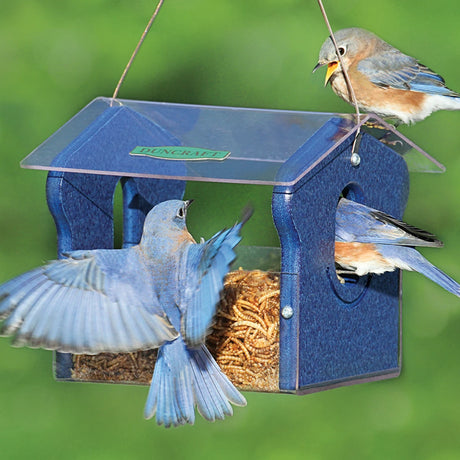
- Mealworms (live or dried) — a bluebird favorite
- Insect blends — mimic their natural diet
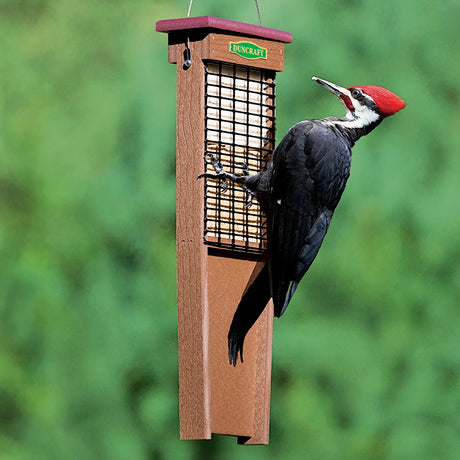
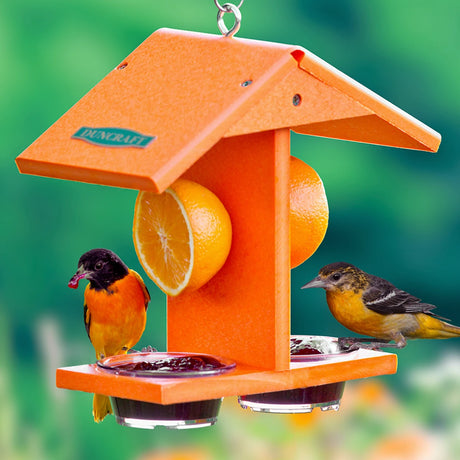
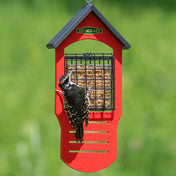
- Insect or berry suet — especially helpful in early spring and cooler weather
Providing the right food not only brings bluebirds in — it also supports nesting adults and growing chicks during the busiest part of their season.

2. Choose the Right Feeder Style
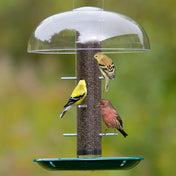
Bluebirds prefer open, easy-access feeding areas. Many traditional tube feeders designed for seed simply don't appeal to them. Instead, look for:
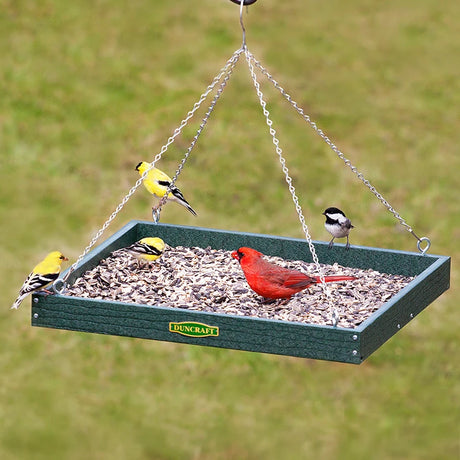
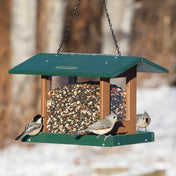
- Platform or tray feeders with stable landing space
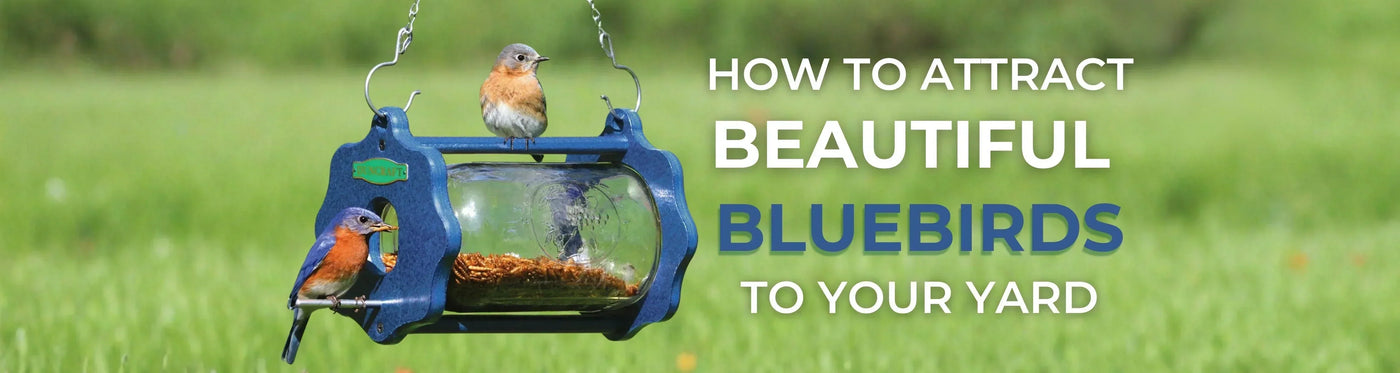
- Mealworm feeders designed to protect food while allowing easy access
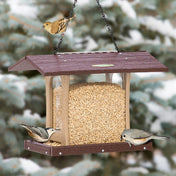
- Weather-protected feeders that keep insects dry and fresh
A feeder placed in the open, with a clear line of sight to nearby trees or shrubs, makes bluebirds feel secure while feeding.
3. Set Up Early — and Be Consistent
Timing matters. By late March and early April, bluebirds are establishing territories and scouting reliable food sources. When your feeder is already in place and regularly filled, it becomes part of their routine. To encourage repeat visits:
- Keep feeders clean and fresh
- Refill consistently during nesting season
- Place feeders near open lawn areas where bluebirds like to forage
Once bluebirds recognize your yard as a dependable food source, they're likely to return throughout the season — and possibly year after year.
A Backyard Worth Returning To
Attracting bluebirds isn't about doing everything at once. It's about offering the right food, the right feeder, and a welcoming environment at the right time.
With just a few thoughtful choices, your backyard can become a safe, nourishing stop for bluebird families this spring — and one of the most rewarding sights in birding.