By Duncraft Birding Experts | June 2026 | 5 min read
Summer is one of the most rewarding seasons for backyard birders. Longer days, nesting activity, and the arrival of warm-weather species like hummingbirds, orioles, and goldfinches mean your feeders are busier than ever — and what you offer matters more than you might think.
Here's how to make your backyard a summer sanctuary for birds.
1. Switch to No-Waste Seed Blends
Summer heat accelerates seed spoilage. Hulled blends eliminate shell debris that traps moisture and breeds mold — a real concern when temperatures climb above 80°F.
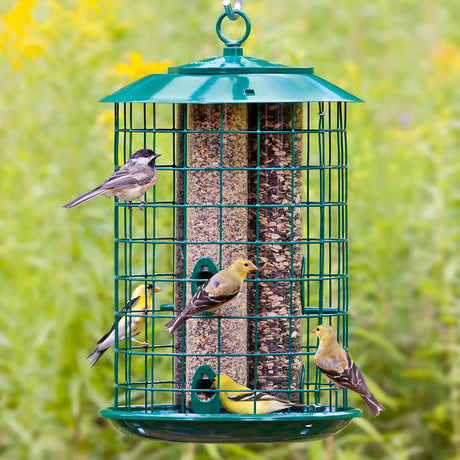
Our Super No-Waste Blend is formulated specifically for clean, efficient summer feeding. Every kernel is edible, so birds eat more and waste less. Pair it with the Four Seasons Blend to attract a broader mix of species through the season.
Pro tip: Refresh seed every 3–5 days in summer heat, and clean feeders weekly with a 10% bleach solution to prevent salmonella and mold.
2. Attract Hummingbirds with the Right Setup
Ruby-throated hummingbirds are at peak activity June through August. They're territorial, fast, and surprisingly loyal to reliable nectar sources — making consistency the key to keeping them around.
Hummingbird Nectar Best Practices
- Use a 1:4 sugar-to-water ratio — no red dye needed
- Place feeders in partial shade to slow fermentation
- Change nectar every 2–3 days when temperatures exceed 80°F
- Hang multiple feeders to reduce territorial disputes between males
Complement nectar feeders with native plantings like bee balm, salvia, and trumpet vine to create a complete hummingbird habitat that supports both feeding and nesting.
3. Keep Orioles Coming Back
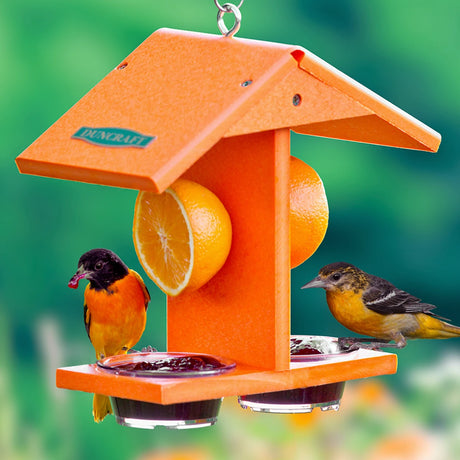
If you attracted Baltimore Orioles this spring, don't let them disappear. Orioles stay through late summer and will continue visiting reliable food sources as they prepare for fall migration.
Our Eco-Oriole Feeder is designed for easy cleaning — critical in summer — with wide ports that accommodate both nectar and fruit. Offer fresh orange halves and grape jelly alongside nectar for the best results.
What Orioles Eat in Summer
- Nectar — same 1:4 sugar-to-water ratio as hummingbirds
- Fresh orange halves — replace every 1–2 days in heat
- Grape jelly — a high-energy favorite, especially for fledglings
4. Offer High-Energy Sunflower for Nesting Birds
Parent birds are working overtime in June and July, making high-calorie food essential. Whole Sunflower Hearts are one of the most efficient foods you can offer — no shell means faster feeding, which matters when adults are making dozens of trips to the nest daily.
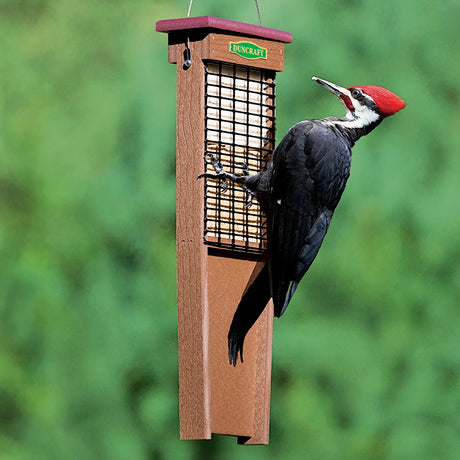
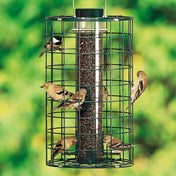
Sunflower hearts attract chickadees, nuthatches, titmice, and finches that may otherwise skip your feeders in summer. They're also mess-free, which means no sprouting seed beneath your feeder.
5. Start Thinking About Fall Migration Now
It sounds early, but late summer is when smart birders prepare. Shorebirds begin moving south as early as July, and warblers follow in August. Keeping feeders stocked and water sources clean through summer means your yard is already established as a reliable stop when migration peaks in September and October.
A clean, well-stocked yard in summer = a busy yard in fall.
Consider adding a dripper or mister to your birdbath — moving water is one of the single most effective ways to attract migrating species that don't visit feeders.
Summer Feeder Maintenance Checklist
Use this checklist to keep your feeding station healthy and active all season:
☐ Clean feeders weekly (every 3–4 days in peak heat)
☐ Refresh seed every 3–5 days
☐ Change hummingbird and oriole nectar every 2–3 days
☐ Provide a clean, moving water source (dripper or mister)
☐ Inspect for mold or clumping after rain
☐ Restock sunflower hearts for nesting season demand
☐ Begin fall migration prep by mid-August
Frequently Asked Questions
What is the best bird seed for summer feeding?
Hulled seed blends are best for summer because they eliminate shell debris that traps moisture and breeds mold in the heat. Our Super No-Waste Blend is specifically formulated for clean, efficient summer feeding — every kernel is edible with zero waste.
How often should I change hummingbird nectar in summer?
Change hummingbird nectar every 2–3 days when temperatures exceed 80°F. Nectar ferments quickly in summer heat and can harm hummingbirds if left too long. Place feeders in partial shade to slow fermentation between changes.
How do I keep bird feeders clean in summer?
Clean seed feeders weekly using a 10% bleach solution (1 part bleach to 9 parts water), rinse thoroughly, and allow to dry completely before refilling. In peak heat, clean every 3–4 days. Nectar feeders should be cleaned every time you change the nectar.
Do orioles stay through summer?
Yes — Baltimore Orioles remain through late summer before beginning their fall migration south. Keep your oriole feeder stocked with nectar, fresh orange halves, and grape jelly through August to continue attracting them.
When should I start preparing for fall bird migration?
Start preparing by mid-August. Shorebirds begin moving south as early as July, and warblers follow in August. A yard with clean feeders, fresh water, and reliable food sources through summer is already positioned as a prime migration stop by the time peak fall migration arrives in September and October.
Shop Summer Bird Feeding Essentials
Everything you need to keep your backyard birds happy all season — from no-waste seed blends to easy-clean feeders.