If you've been feeding birds for any length of time, you've probably noticed what happens underneath your feeder. Seed shells pile up, uneaten pieces scatter across the ground, and before long, your feeding area can start to look a little messy.
It's a common frustration for backyard birders. The good news? A simple change in what you offer can make a big difference.
At Duncraft, we've been helping bird lovers get more out of their feeders since 1952. One of the easiest ways to create a cleaner, more efficient feeding station is by switching to no-waste bird seed.

Why Does Bird Seed Make Such a Mess?
Traditional bird seed blends often include a mix of ingredients—some that birds love, and others they'll toss aside in search of their favorites. That leads to a few common issues:
- Seed shells build up quickly under feeders
- Unwanted filler seeds get discarded
- Moisture can lead to mold or clumping
- Fallen seed attracts squirrels, rodents, and insects
Even when birds are actively feeding, a surprising amount of seed ends up on the ground instead of being eaten.

What Is No-Waste Bird Seed?
No-waste bird seed is exactly what it sounds like—a blend made up entirely of edible ingredients, with little to no shells or filler. Instead of including seeds birds need to crack open, these blends typically feature:
- Shelled sunflower hearts
- Peanut pieces
- Hulled seeds
- Dried fruits or insects (in some blends)
Because everything in the mix is edible, birds consume far more of what you offer—and leave far less behind.

The Benefits of No-Waste Bird Seed
1. A Cleaner Feeding Area
One of the biggest advantages is right there on the ground. With no shells to discard, you'll notice:
- Less buildup under feeders
- Fewer scattered seed pieces
- A tidier deck, patio, or yard
If you're feeding birds near a seating area, walkway, or garden bed, this can make a noticeable difference almost immediately.
2. Less Maintenance for You
Cleaning up under feeders is part of bird feeding—but it doesn't have to be a constant chore. No-waste seed helps reduce:
- Frequent raking or sweeping
- Moldy or wet seed piles
- The need to move feeders as often
A cleaner feeding station is also a healthier one, helping reduce the spread of bacteria and pests.
3. Better Value Over Time
At first glance, no-waste blends can seem more expensive than traditional seed mixes. But when you look at how much actually gets eaten, the value becomes clear.
With standard blends:
- Birds discard a portion of the seed
- You end up paying for what isn't used
With no-waste seed:
- Nearly every bite is consumed
- Less seed is lost to the ground
In many cases, birders find they use less seed overall while still attracting plenty of activity.
4. More Appealing to Birds
Birds are selective eaters. When given the option, they'll naturally pick out their favorite ingredients. No-waste blends are designed around what birds already prefer, which can lead to:
- More consistent visits
- Longer feeding times
- Less competition and scattering at the feeder
You may even notice birds spending more time feeding instead of searching through the mix.
5. Fewer Unwanted Guests
Spilled seed on the ground can attract more than just birds. By reducing waste, you can also help discourage:
- Squirrels and chipmunks foraging below
- Rodents attracted to leftover seed
- Insects gathering in damp areas
While no seed is completely pest-proof, minimizing what falls to the ground goes a long way toward keeping your feeding area focused on birds.
When No-Waste Seed Makes the Biggest Difference
No-waste blends can be helpful in any backyard, but they're especially useful in certain situations:
- Decks and patios where mess is more noticeable
- Small yards or tight spaces where cleanup is limited
- High-traffic feeding areas with lots of bird activity
- Wet or humid climates where seed can spoil quickly
If you've ever found yourself constantly cleaning under your feeder, it's a good sign that switching blends could help.
Tips for Switching to No-Waste Seed
Making the transition is simple, but a few small adjustments can help you get the best results:
- Start by mixing no-waste seed with your current blend
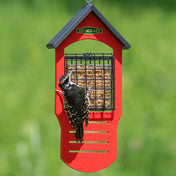
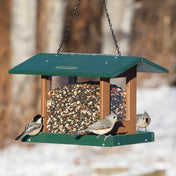
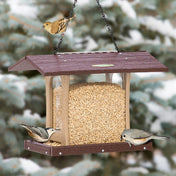
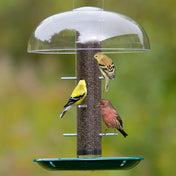
- Use feeders designed for shelled seed to reduce spillage
- Keep feeders clean so fresh seed stays appealing
- Watch bird activity and adjust placement if needed
Most birds adapt quickly, especially once they realize every bite is worth eating.
Quick Checklist: Is It Time to Switch?
You might benefit from no-waste bird seed if:
- You see piles of shells under your feeder
- Seed is sprouting in unwanted areas
- You're cleaning up more often than you'd like
- Wet seed is clumping or molding
- You're attracting more critters than birds
If any of these sound familiar, a no-waste blend can make feeding simpler and more enjoyable.
Bringing It All Together
Feeding birds should be something you enjoy—not something that adds extra work to your routine. By choosing a no-waste bird seed, you can create a cleaner, more efficient feeding station that benefits both you and the birds.
At Duncraft, we've spent decades developing high-quality, no-waste blends made with ingredients birds actually eat—no fillers, no unnecessary mess. It's all part of our commitment to helping backyard birders get closer to the birds they love.
For more tips, check out our article on Keep Your Feathered Friends Safe: Bird Feeding Hygiene Made Simple.
Have questions? Call us at 1-888-879-5095 (Mon–Fri, 9:00 AM–5:00 PM ET) or email info@duncraft.com. We're happy to help you find the right no-waste bird seed for your backyard birds.
Happy Birding!
— The Duncraft Team, Birding Together Since 1952
Frequently Asked Questions
What is no-waste bird seed?
No-waste bird seed is a blend made entirely of edible ingredients—like shelled sunflower hearts, peanut pieces, and hulled seeds—with no shells or filler. Because every ingredient is consumable, birds eat more of what you offer and leave less behind.
Why does bird seed make such a mess under feeders?
Traditional seed blends often include filler seeds that birds discard while searching for favorites. This, combined with seed shells and spillage, leads to buildup under feeders that can attract pests and promote mold.
Does no-waste bird seed attract fewer squirrels?
Yes, in most cases. Because no-waste seed produces little to no ground spillage, there's less food available to squirrels, chipmunks, and rodents that forage below feeders. It won't eliminate pests entirely, but it significantly reduces the attraction.
Is no-waste bird seed worth the higher price?
Generally, yes. While no-waste blends cost more upfront, nearly every seed gets eaten—unlike traditional mixes where a portion is discarded. Most birders find they use less seed overall, making the cost comparable or better over time.
What types of birds eat no-waste seed?
No-waste blends attract a wide variety of backyard birds including chickadees, nuthatches, finches, cardinals, woodpeckers, and sparrows. The specific species depend on the blend—sunflower hearts appeal broadly, while peanut pieces attract woodpeckers and jays.
Why should I buy bird seed from Duncraft?
Duncraft has been crafting premium wild bird seed blends since 1952. Every mix is developed with birds' preferences in mind—no cheap fillers, no unnecessary shells. With over 70 years of experience helping backyard birders, Duncraft's no-waste blends are tested to attract more birds while keeping your feeding area cleaner. When you buy from Duncraft, you're getting seed that's been refined by people who are as passionate about birds as you are.