By Duncraft Birding Experts | August 2026 | 7 min read
First, take a breath. This happens to almost every backyard birder at some point, and it doesn't mean anything went wrong with your seed, your storage, or your yard. It means you have active, healthy bird food — and your birds are about to get a bonus.
Here's what's actually going on, why it's more common than you'd think, and exactly what to do about it.
1. What You're Seeing

The most common culprit is the Indian Meal Moth (Plodia interpunctella) — also called a pantry moth, grain moth, or birdseed moth. You might see:
- Small, dusty-winged moths (about ¾ inch) flying near your seed storage, often with a distinctive zigzag flight pattern
- Tiny cream-colored larvae (caterpillars) with brown heads inside the seed
- Fine, silky webbing or clumping in the seed — this is the larvae spinning cocoons
- A slightly musty smell from a heavily affected batch

You might also encounter grain weevils — tiny dark beetles that burrow directly into individual seeds and lay their eggs inside. They're harder to spot but cause similar clumping and webbing.
Both are stored-product pests that affect grain-based foods across the board — flour, rice, cereal, pet food, and yes, birdseed. Finding them in your seed doesn't mean you received bad seed or that you did anything wrong.
2. Why It Happens — and Why It's So Common
Here's the part most people don't know: Indian Meal Moth eggs are microscopic and nearly impossible to detect or prevent at the point of purchase. A bag of seed can look, smell, and feel completely normal while containing dormant eggs that haven't yet hatched.
Those eggs hatch when conditions are right — specifically, when temperatures are warm (above 65°F) and humidity is present. That's why moth activity spikes dramatically in summer, when seed stored in a garage or warm closet provides the perfect incubation environment.
This isn't a quality or cleanliness issue. It's biology. The same thing can happen with a bag of flour or oatmeal from a grocery store. It's one of the most common calls we receive at Duncraft, and it comes from experienced birders just as often as from those new to feeding.
3. The Good News: Your Birds Will Love It
This is the part that surprises most people: Indian Meal Moth larvae are nutritious, protein-rich food that most backyard birds will eat enthusiastically.
Birds are insectivores at heart. Even dedicated seed-eaters supplement their diet with insects and larvae, especially during nesting season when growing chicks need protein. To your chickadees, titmice, nuthatches, and bluebirds, moth larvae in the seed aren't a problem — they're a bonus.
So before you throw anything away, know that lightly affected seed can absolutely go out to your birds. They won't mind. They'll probably appreciate it.
4. What to Do Right Now
Step 1 — Assess the Situation
Pull out your seed and take an honest look:
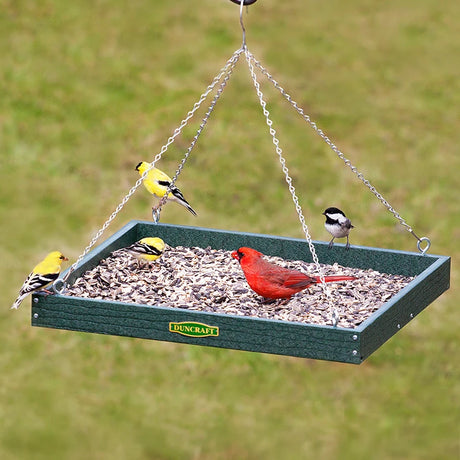
- Lightly affected (a few moths, some webbing, seed still looks and smells basically normal): This seed can go directly to your birds. Put it out in a platform feeder or scatter it on the ground. They'll clean it up quickly.
- Moderately affected (visible larvae, noticeable webbing, but seed is otherwise intact): You have two options — put it out for the birds as-is, or use the freezer method below to stop the cycle before feeding.
- Heavily affected (seed is mostly consumed, extremely clumped, strong musty odor, or you're concerned about spreading to other stored food): Seal it in a plastic bag and discard it outdoors, or scatter it in a far corner of your yard away from your main feeding station. Do not put heavily infested seed in your indoor trash.
Step 2 — Stop the Cycle with the Freezer Trick
If you have seed you want to save — or you've purchased a new bag and want to prevent any dormant eggs from hatching — put the sealed bag directly in the freezer for 72 hours.
The sustained cold kills eggs, larvae, and adults at every stage of the lifecycle without harming the nutritional value of the seed. After 72 hours, move the bag to your regular cool, dry storage location. The seed is completely safe for birds and won't hatch again.
Pro tip: The freezer trick is the single most effective prevention tool for birdseed moths, and it costs nothing extra. Many experienced birders routinely freeze every new bag of seed before storing it — especially in summer.
Step 3 — Clean Your Storage Container
Empty your seed container completely. Wash it thoroughly with hot, soapy water, rinse well, and let it dry completely before refilling. Pay attention to corners, seams, and lid edges — moth pupae like to tuck into folds and crevices to complete their development.
If you've been storing seed in the original bag inside a container, consider switching to a dedicated airtight container that you clean between batches.
Step 4 — Check What's Nearby
Indian Meal Moths can spread from birdseed to other stored grain products — flour, cereals, pasta, oats, rice, pet food. If you've been storing seed indoors or near your pantry, do a quick check of neighboring shelves. Look for webbing in the corners of bags or boxes, or small moths flying in the area.
If you find evidence of spread, remove affected items, clean the shelves thoroughly, and consider pheromone moth traps (available at most hardware stores) to capture any adults flying in the area before they can lay more eggs.
5. How to Prevent It Going Forward
A few simple habits make a significant difference. None of them require special equipment or a lot of effort.
Keep Seed Cool and Dry
Temperature is the biggest factor. Indian Meal Moth eggs hatch readily above 65°F, but barely develop below it. Storing seed in a cool environment — a basement, a cool garage in temperate seasons, or a dedicated outdoor metal container — dramatically slows or stops the lifecycle.
The ideal storage spot: Cool, dry, and away from direct sunlight. A shaded garage, cool basement, or porch with good air circulation works well in most seasons.
Avoid: Warm closets, storage areas near water heaters or dryers, sheds that get very hot in summer, and indoor pantry shelves — all of these create perfect moth conditions.
Use an Airtight Container
The original seed bag — even a sealed one — is not moth-proof. Bags can have microscopic gaps at seams, and eggs already inside the bag can hatch regardless.
What works well:
- Metal cans with tight-fitting lids — classic, simple, and durable. Galvanized metal cans are ideal for outdoor storage.
- Heavy-duty plastic containers — effective for indoor or garage storage. Especially handy if the container is also built for pouring.
- Glass containers with clamp lids — excellent for smaller quantities, particularly if you're storing seed inside.
Whatever you use, clean it between batches. Residue and seed dust in the corners of an old container can harbor eggs from a previous cycle.
Don't Overbuy
It sounds counterintuitive — buying in bulk feels economical — but the longer seed sits, the greater the chance of a moth problem developing. We recommend buying no more than a 2–4 week supply at a time, especially in warm months.
In summer particularly, buying smaller quantities more frequently keeps your seed fresher, reduces moth risk, and ensures your birds are always getting the best nutrition.
Freeze New Bags Before Storing
Freeze every new bag of seed for 72 hours before moving it to storage. It takes almost no effort and eliminates dormant eggs before they have a chance to hatch.
Consider No-Waste, Hulled Seed Blends
Whole seeds with intact shells are more susceptible to weevil infestation than hulled seeds, because weevils lay their eggs inside the seed shell. Hulled seed — sunflower hearts, chips, and no-waste blends — removes that hiding spot entirely.
No-waste blends also eliminate the shell debris under your feeders, reduce moisture retention in the feeder itself, and are easier for smaller birds to eat. Our No-Waste! No-Mess seed blends are a favorite among birders who want maximum freshness and minimum mess.
6. Quick Reference: What to Do by Situation
| What You're Seeing | What to Do |
|---|---|
| A few moths flying near storage | Check seed; clean container; freeze new supply |
| Webbing and larvae in seed, seed otherwise intact | Feed to birds or freeze 72 hrs then feed |
| Heavily clumped, consumed, or smelly seed | Discard outdoors; clean container thoroughly |
| Moths in pantry near where seed was stored | Check pantry items; clean shelves; use pheromone traps |
| New bag of seed, no signs yet | Freeze for 72 hrs before storing — prevents the cycle entirely |
7. When to Call Us
If you received a bag of seed from Duncraft that was heavily infested on arrival — and especially if there is significant larval activity inside a sealed bag — please let us know. We stand behind every product we ship, and we want to make it right.
Our customer team is available Monday through Friday, 9:00 AM–5:00 PM ET at 1-888-879-5095 or by email at info@duncraft.com. We've been answering questions like this for over 70 years, and we're always glad to help you figure out the best path forward for your specific situation.
Shop Fresh Bird Seed
Keep your feeders stocked with the freshest seed. Our no-waste blends are a favorite for birders who want less mess and fewer moth problems.
Frequently Asked Questions
Is birdseed with moths or larvae safe to feed to birds?
Yes — lightly to moderately affected seed is safe and actually nutritious for birds. Most backyard birds eat insects and larvae as part of their natural diet, and moth larvae are a good protein source. Feed lightly affected seed to your birds directly, or freeze it for 72 hours first to stop the lifecycle, then feed it. Only heavily consumed, foul-smelling, or moldy seed should be discarded.
Where did the moths come from?
Most birdseed moth infestations start from microscopic eggs already present in the seed when you purchased it — not from moths flying in from outside. The eggs are invisible to the naked eye and hatch when storage conditions are warm and humid. The same thing can happen with flour, cereal, or pet food purchased from any store.
Will birdseed moths spread to my kitchen pantry?
They can, if seed is stored inside the home near other dry goods. Indian Meal Moths will lay eggs in flour, cereal, pasta, rice, oats, and pet food. For this reason, we recommend storing birdseed outside the home — in a garage, basement, or on a covered porch — in an airtight metal or heavy plastic container.
How do I kill moths in birdseed without throwing it away?
The freezer method is the most reliable solution. Seal the affected seed in a plastic bag or airtight container and place it in the freezer at 0°F for a minimum of 72 hours. This kills eggs, larvae, and adults at every life stage. After freezing, allow the seed to return to room temperature before putting it out for birds to avoid condensation. The seed is completely safe to feed after freezing.
How do I prevent birdseed moths in the future?
Four habits make the biggest difference: store seed in a cool location (below 65°F when possible); use an airtight metal or heavy-plastic container; buy only 2–4 weeks of supply at a time; and freeze new bags of seed for 72 hours before storing. Switching to no-waste, hulled seed blends also reduces weevil risk, since weevils lay eggs inside seed shells that hulled seeds don't have.
What do Indian Meal Moths look like?
Adult Indian Meal Moths are small — about ¾ inch — with distinctive two-toned wings that are pale gray near the body and coppery reddish-brown toward the tips. They fly in a distinctive zigzag pattern rather than a straight line. The larvae are small, cream-colored caterpillars with brown heads, typically found inside or beneath the seed. Fine silky webbing in the seed is a sign that larvae have been present.