February is one of the toughest months of the year for wild birds—and one of the most important times to lend a helping hand.
For wild birds, February can be one of winter's toughest tests. Natural food sources are running low, snow and ice can cover what's left, and cold nights push birds to burn more energy just to survive. National Bird Feeding Month exists for this very reason—to encourage all of us to lend a helping hand when backyard birds need it most.
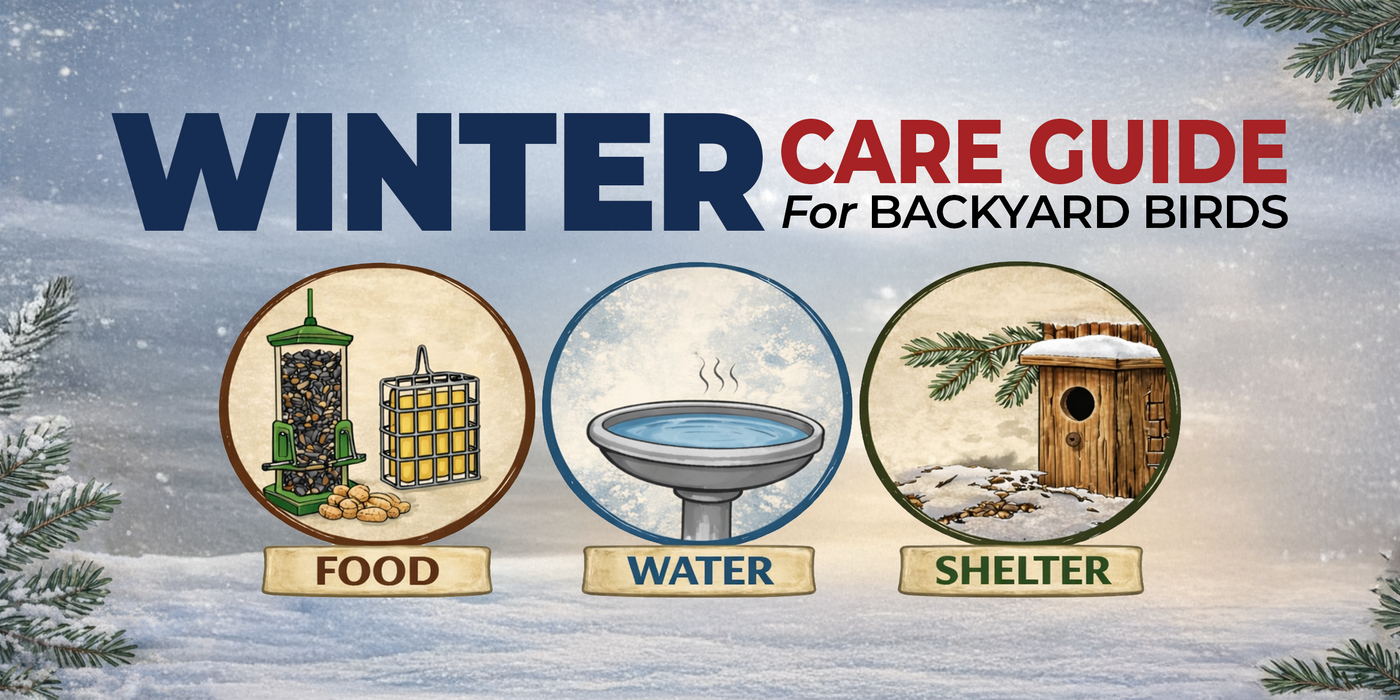
The heart of National Bird Feeding Month is simple and timeless: help birds through winter by offering food, fresh water, and safe shelter. And the good news? Making a difference doesn't require anything complicated. A few thoughtful choices—done consistently—can transform your yard into a dependable winter refuge for birds.
At Duncraft, we've been helping backyard birders support and enjoy wild birds since 1952. This guide walks you through the essentials—the "big three" of food, water, and shelter—with easy, practical steps you can start using right away. You'll also find a helpful checklist and answers to common questions at the end, so you can feel confident you're giving birds exactly what they need.
Why National Bird Feeding Month Matters
National Bird Feeding Month began with a congressional proclamation read on February 23, 1994, encouraging people to support wild birds during "one of the most difficult months" of the year by providing food, water, and shelter.
That idea still holds up today. In winter, birds burn calories fast. When food and liquid water are hard to find, your backyard can become a critical resource—especially during cold snaps and storms.

1. Food: Keep It Nutritious, Fresh, and Reliable
If you only do one thing for National Bird Feeding Month, make it this: keep a steady, quality food source available. Birds quickly learn which yards are dependable.
Choose foods birds actually eat
A common frustration for birders is "waste seed" (the stuff birds toss aside). In winter, you'll get better results with higher-value options that birds prioritize:
- Black oil sunflower: a go-to for many backyard species
- Sunflower hearts/chips: high energy, less mess
- Peanuts/peanut pieces: great protein and fat (offer in appropriate feeders)
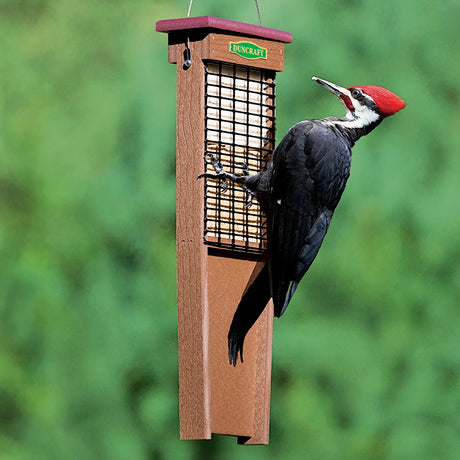
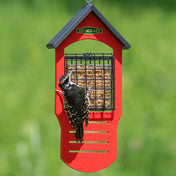
- Suet: winter powerhouse, especially for woodpeckers and insect-eaters
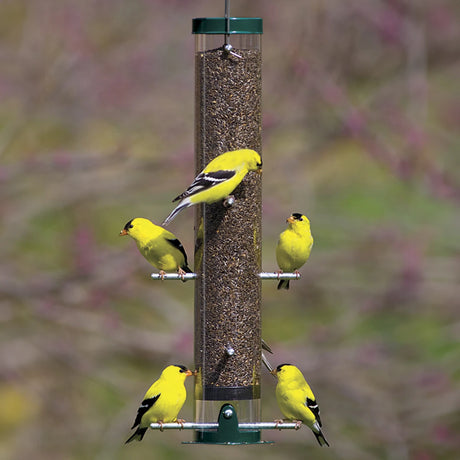
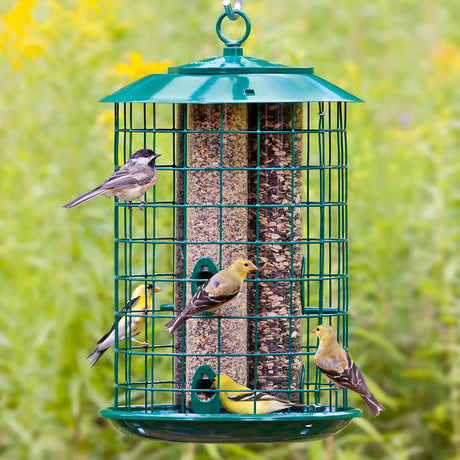
If you're aiming for finches, Nyjer® seed can be a magnet—just use a feeder designed for it so it stays clean and dry.
Match the feeder to the food
The right pairing keeps seed fresh and makes feeding easier for birds:
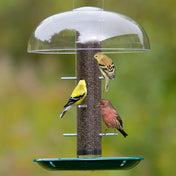
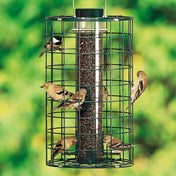
- Tube feeders → sunflower hearts/chips, mixed seed
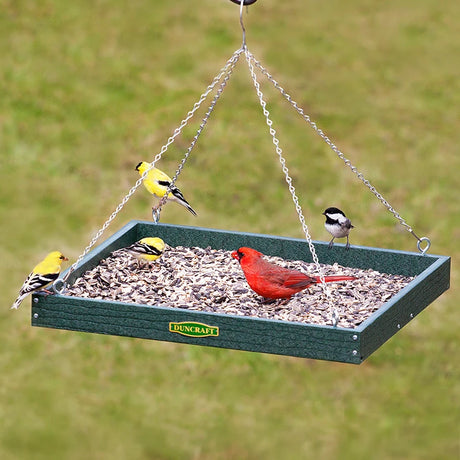
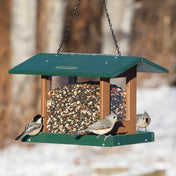
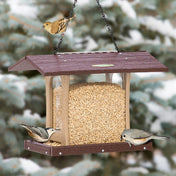
- Hopper feeders → blends, larger capacity, great for steady feeding
- Suet feeders → suet cakes/plug suet
- Nyjer® feeders or socks → Nyjer® seed for goldfinches and siskins
Placement matters more than people think
- Put feeders where birds can see predators coming, but still have nearby cover (like shrubs) to retreat to.
- Keep feeders away from places cats can hide and pounce.
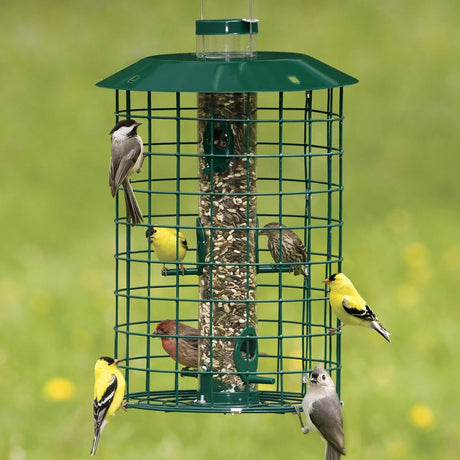
- If squirrels are a constant issue, choose squirrel-resistant setups and use smart spacing and hardware.
Don't forget feeder hygiene
Winter doesn't eliminate germs. Birds still gather closely at feeders, and mold can still happen during wet spells. A basic routine helps keep your backyard flock healthier:
- Remove wet/clumped seed right away
- Clean feeders regularly (more often during warm or rainy periods)
- Let feeders dry completely before refilling

2. Water: The Secret Weapon for Attracting More Birds
Many birders focus on seed and forget water—yet clean water can attract birds even faster than food. In winter, accessible water is often scarce, and birds need it for both drinking and feather care.
Keep it clean (and moving if you can)
- Change water frequently (daily is ideal when it's not frozen)
- Scrub out algae/debris as needed
- If possible, add moving water (a dripper or bubbler)—birds notice it
Winter water tip: prevent freezing
In freezing conditions, a heated bird bath can be one of the most helpful things you offer all season. It keeps water available when puddles and shallow sources lock up with ice.
Place water like you place food
- Nearby cover is good, but avoid tight hiding spots predators love.
- Keep the area visible so birds feel safe coming in for a drink.

3. Shelter: Help Birds Save Energy and Stay Safe
When temperatures drop, shelter isn't just comfort—it's survival. Shelter helps birds:
- Conserve heat during cold nights
- Hide from predators
- Get out of wind, snow, and freezing rain
Easy shelter upgrades that work
Add evergreen cover
- Evergreens provide dense, reliable protection all winter.
- If you already have them, leave them "messy" and natural during winter.
Leave brush piles or natural corners
- A simple pile of branches in a back corner can become a shelter hotspot for sparrows, wrens, and other small birds.
Consider roosting space or shelters
- Some birds use cavities and protected spaces to roost at night.
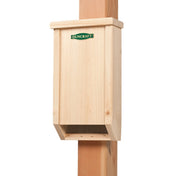
- A roost-style box (different from a nesting box) can help in colder regions.
Keep it safe
- Keep feeding areas away from places predators can ambush
- If you get frequent window strikes, add window-safe measures where needed
A Simple Food + Water + Shelter Setup That Works in Most Yards
If you want a balanced backyard station without overthinking it:
- Food: one primary feeder (sunflower hearts/chips or quality blend) + suet
- Water: one birdbath (heated if freezing temps are common)
- Shelter: evergreen cover, a brush pile corner, or a protected shrub zone
Consistency beats complexity.
Quick-Start Checklist for National Bird Feeding Month
Use this as your February refresh:
☐ Clean and refill feeders with fresh seed
☐ Add a high-energy option (sunflower hearts, peanuts, and/or suet)
☐ Set out clean water (consider a heated bath if temperatures freeze)
☐ Check placement for safety (predator cover, window hazards, squirrel access)
☐ Create at least one shelter zone (evergreen, brush pile, dense shrubs)
☐ Keep a steady routine—birds rely on dependable yards in winter
Frequently Asked Questions About Feeding Birds in Winter
- What is National Bird Feeding Month?
-
National Bird Feeding Month is observed every February in the United States. It was established by a congressional proclamation in 1994 to encourage people to support wild birds during one of the harshest months of the year by providing food, water, and shelter.
- What is the best bird food to offer in winter?
-
High-energy foods work best in cold weather. Top choices include black oil sunflower seed, sunflower hearts/chips, shelled peanuts, and suet. These provide the fat and protein birds need to stay warm and active. Avoid cheap filler seeds like milo or red millet that most birds ignore.
- How often should I refill my bird feeders in winter?
-
Check feeders daily during cold snaps or storms when birds are feeding heavily. At minimum, refill every 2–3 days and remove any wet or clumped seed immediately to prevent mold and disease.
- Do birds need water in winter?
-
Yes—water is critical year-round. In winter, natural water sources often freeze, making a clean, unfrozen water source especially valuable. A heated bird bath is one of the most effective ways to attract more birds to your yard in February.
- What kind of shelter do backyard birds need in winter?
-
Birds use dense evergreens, brush piles, and roost boxes to stay warm and safe from predators. You don't need to do a full landscaping overhaul—even a small brush pile in a back corner can make a big difference for sparrows, wrens, and other small birds.
- Is it okay to feed birds year-round, or just in winter?
-
Feeding birds year-round is perfectly fine and beneficial. While winter is the most critical time, birds appreciate reliable food sources in every season. Consistent feeding helps you observe more species and supports local bird populations throughout the year.
- Where can I buy quality bird feeders, seed, and bird baths?
-
Duncraft has been a trusted source for backyard birding supplies since 1952. We carry a wide selection of bird feeders, wild bird seed, heated bird baths, and roosting shelters—everything you need to support birds through winter and beyond. Shop Duncraft now.